Mobility-friendly bathrooms often get filed under “renovations for later in life”, but that’s only part of the picture. We’ve built accessible bathrooms for people recovering from surgery, adjusting to life after an accident, supporting a wheelchair-using family member, and yes, for those simply wanting a safer bathroom as they age. The need can arrive suddenly, at any age.
Who is this actually for?
Anyone whose relationship with their bathroom has changed, whether that’s temporary (recovering from a hip replacement), permanent (a spinal injury or long-term mobility condition), or something you’re planning ahead for. The common thread isn’t age. It’s function: can you use your bathroom safely, independently, and with dignity, right now?
What does a mobility-friendly bathroom actually involve?
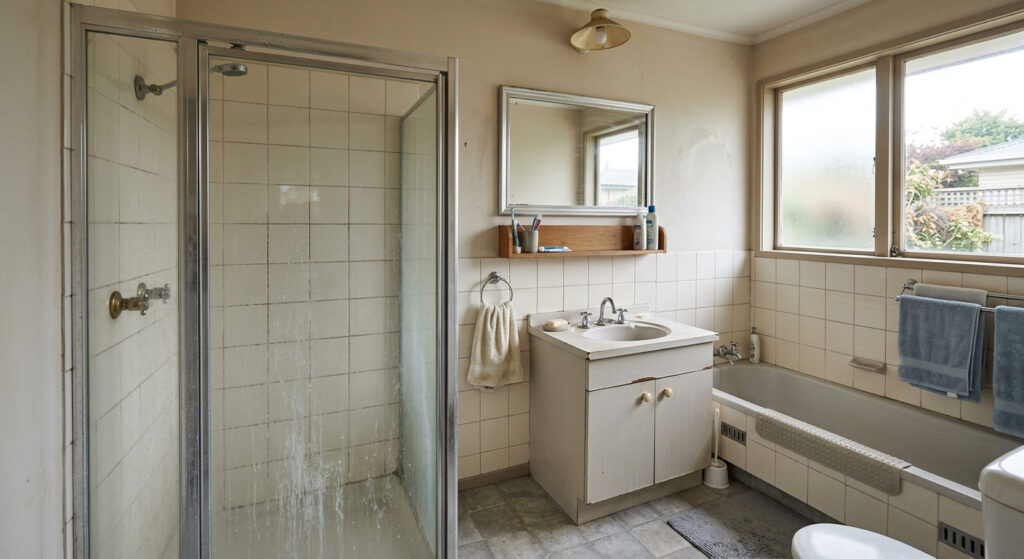
Every renovation is different depending on the person, but common changes include curbless walk-in showers, wider doorways for wheelchair access, grab rails positioned for real use (not just building-code minimums), non-slip flooring, and comfort-height fixtures. Done well, none of it needs to look clinical, a well-designed accessible bathroom can look just as good as any other, while working properly for the person using it.
Why does planning matter so much here?
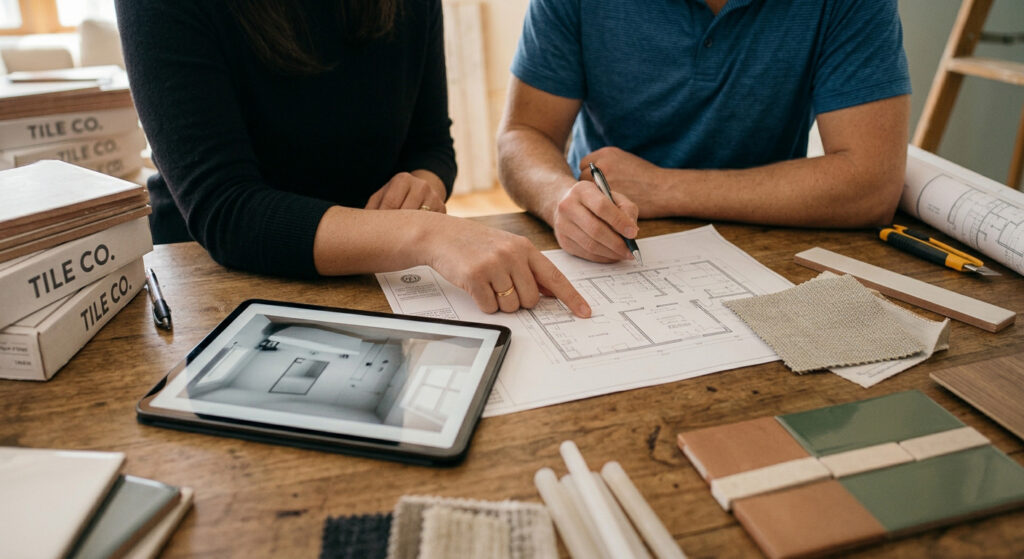
Because the stakes are higher than a standard renovation, a poorly placed grab rail or the wrong shower threshold isn’t just inconvenient, it’s a safety risk. These renovations need careful, specific planning around the individual, not a generic accessibility checklist.
Let’s talk about what you actually need
Whether you’re planning ahead, adapting after an accident, or supporting a family member’s changing needs, this conversation is best had early, before a crisis forces a rushed decision. Talk to Justin about your specific situation, and he’ll help you understand what’s genuinely possible for your home and your needs.